Use the Debris Cycle, Not a Generic Calendar
The honest answer is that Cincinnati homes do not share one cleaning schedule. A roof beneath mature maples sees a different load from an open roofline. A shaded north-facing run holds moisture longer than a sunny edge. A tall house on sloped ground may be difficult to inspect even when it collects modest debris.
A calendar is useful for reminders. It should not automatically create paid work. Check the system at the points when debris changes, then decide from the actual channel and water flow.
The Two Main Inspection Windows
After spring seeds finish dropping
Maple helicopters, catkins, and seed pods are smaller than autumn leaves. They can be more effective at sealing an outlet because they knot together and catch roof grit. In Ohio Valley humidity, shaded material stays damp and breaks down into sludge.
Wait until the main seed round is mostly finished, then inspect what can be seen safely. Pay special attention to outlets and the first elbow below them. Cleaning too early can mean the gutter fills again before the season ends.
After most autumn leaves are down
Broad oak, maple, and sycamore leaves can bridge a channel and hold water. A late-fall inspection removes known blockages before repeated freezes and thaws. The goal is not a perfectly polished gutter. The goal is an open path for rain and meltwater.
Do not rush out after the first leaves. If the roof remains under active leaf drop, a safely flowing gutter may be better checked closer to the end of the cycle.
Conditions That Shorten the Interval
Heavy canopy directly above the roof is the obvious factor. Roof valleys also concentrate material into a short gutter section. Inside corners, low spots, and shaded runs can load or compact faster than the rest of the system.
Guards do not remove these conditions. A screen may reject whole leaves but admit seeds and grit. Fine mesh can carry a wet mat on top. Surface-tension covers collect debris along the turning edge. Guarded gutters should be inspected on a schedule shaped by the same trees and roof features.
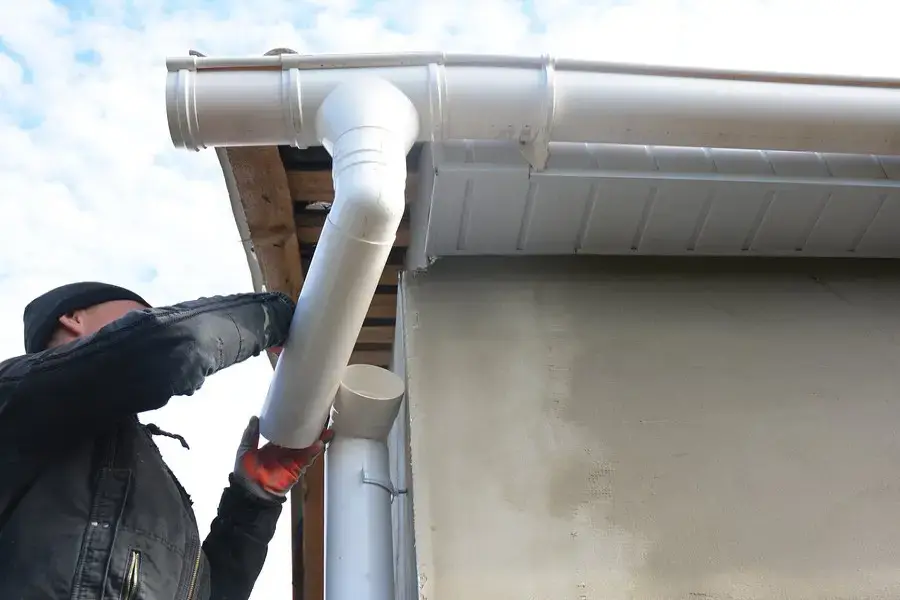
A downspout with several tight turns can also reveal problems sooner. Fine material catches at elbows. During rain, compare the outlets. A quiet downspout beneath overflow needs attention even if the other sides of the house are flowing.
Conditions That Let You Wait
If a low, safely visible gutter is open, the outlet has no packed material, and rainwater moves through the downspout to a sensible discharge point, it does not need cleaning yet. Check it after the next debris round.
An open roofline with little nearby canopy may stay clear longer. That is not a promise; wind can still move leaves from a distance. It simply means the house should be judged from its own evidence rather than assigned the same schedule as a shaded roof beneath mature trees.
Inspection Is Different From Ladder Work
Much of the decision can be made from the ground. Watch steady rain. Look for spill points, quiet downspouts, wet fascia stripes, or water landing beside the foundation. Binoculars or a ground-level camera angle can help without creating a fall risk.
A one-story gutter over firm, level ground may be reasonable to inspect and clean yourself. A steep lot, tall two- or three-story edge, soft soil, slick surface, or overhead line changes the answer. See DIY gutter cleaning before setting a ladder.
What to Do Before Winter
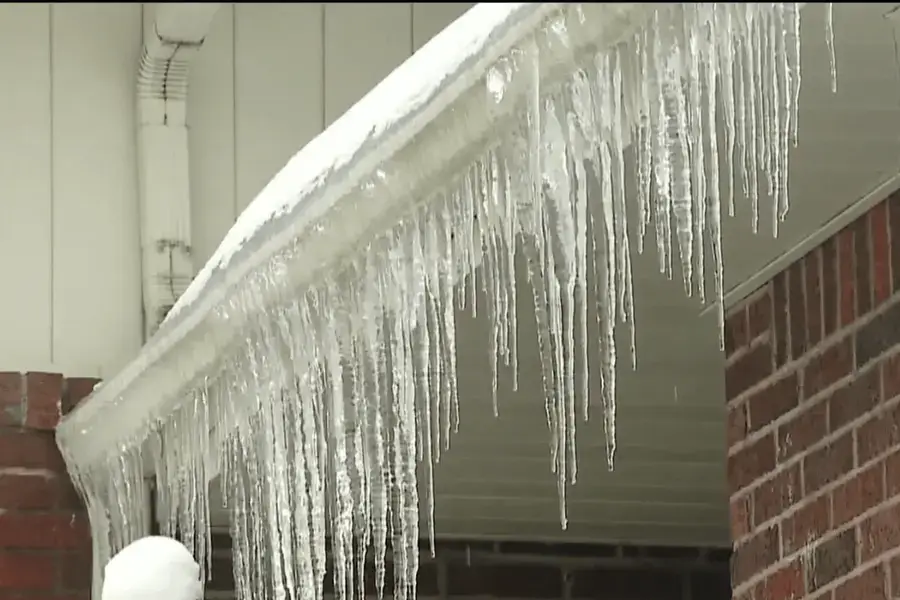
Clear a known blockage before freeze–thaw weather. Standing water can refreeze, add weight, and work at weak seams or fasteners. Gutter cleaning cannot solve every ice-dam cause because heat movement and roof conditions also matter. It removes one avoidable reservoir at the edge.
After cleaning, follow the lower discharge. Cincinnati’s clay-heavy soil can remain wet, and hillside lots make direction important. An open downspout that empties against the house still needs attention.
Build a Schedule From Observations
Write down what you see after spring and fall checks. Note which outlet clogs first, which side stays shaded, and whether guards collect material on top. After a few rounds, the house will show its own pattern.
If the roofline is too high to inspect safely, call (513) 982-5740. A gutter cleaning quote should account for story count, slope, guards, roof features, and actual debris—not a universal frequency rule.